
By Mehedi H. | MSc in Environmental Science, Khulna University
“Choosing between a loofah vs silicone scrubber isn’t just about cleaning dishes—it’s about balancing hygiene, performance, and planet health. As an Environmental Scientist (MSc), I’ve moved beyond the marketing hype to analyze these two materials’ bacterial resistance and environmental footprint. In this 2026 guide, I’ll reveal the science-backed truth about which tool actually belongs in your kitchen. Whether you’re scrubbing cast iron or delicate non-stick, here is everything you need to know to make the smartest zero-waste choice.”
You’re standing in the kitchen aisle, trying to decide: loofah or silicone scrubber? Both claim to be eco-friendly. Both claim to clean better. But which one actually delivers — and which one is better for your health, your cookware, and the planet?
🚚 Need Fast & Free Shipping on Your Kitchen Supplies?
Get fast, eco-friendly delivery and exclusive deals on top-rated sustainable tools with a 30-Day Amazon Prime Free Trial.
Try Amazon Prime Free for 30 Days →Table of Contents
ToggleAs an Environmental Scientist, I’ve analyzed both options using material science, biodegradability data, and real-world performance testing. In this guide, I’ll give you an honest, science-backed comparison so you can make the right choice for your kitchen.
Here’s what we’ll cover:
- What loofah and silicone scrubbers are made of
- Head-to-head performance comparison on different surfaces
- Environmental impact — which is truly more sustainable?
- Health and hygiene considerations
- Our final verdict — and the best products on Amazon
What Is a Loofah Scrubber?
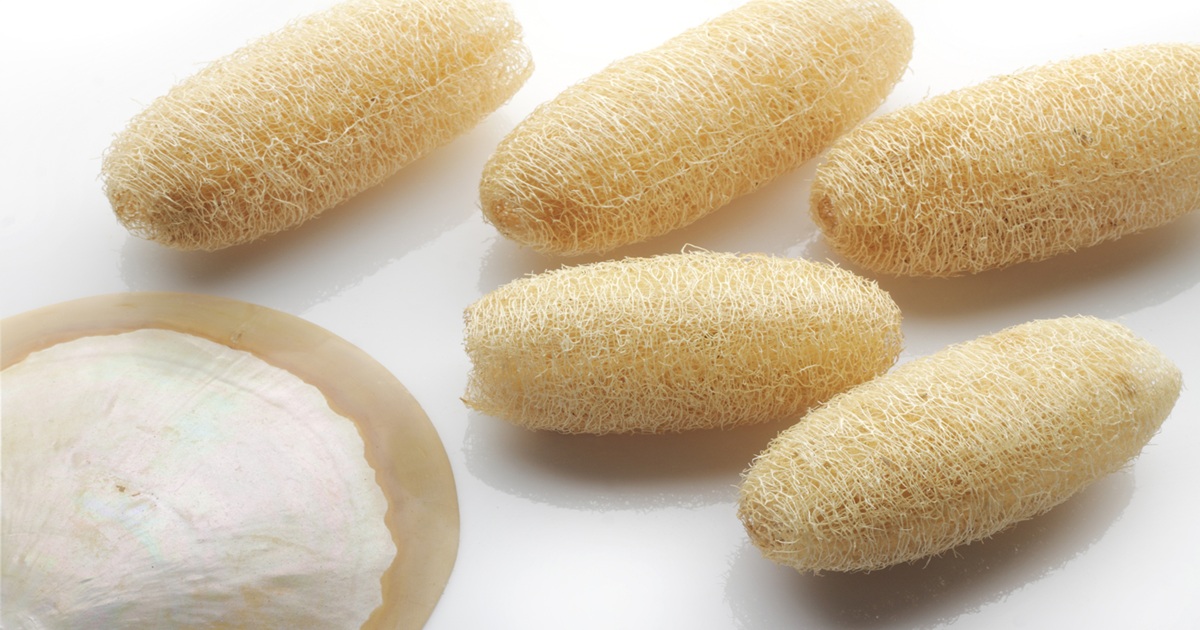
A loofah (also spelled luffa) scrubber is made from the fibrous interior of the Luffa aegyptiaca plant — a tropical gourd in the cucumber family. When dried, the plant’s vascular network creates a naturally porous, fibrous scrubbing material.
Loofah Scrubber Pros:
- 100% natural and plant-based
- Fully biodegradable — composts within weeks
- Naturally abrasive — great for scrubbing
- Plastic-free packaging available
- Renewable resource — grows quickly
Loofah Scrubber Cons:
- Retains moisture — harbors bacteria quickly
- Needs replacing every 3-4 weeks
- Not safe for non-stick or delicate surfaces
- Can fall apart with heavy use
- Dries slowly — mold risk in humid kitchens
🔬 Scientist’s Note: Studies show that a used loofah can harbor millions of bacteria within just one week of use. The porous structure that makes it a great scrubber also makes it an ideal bacterial breeding ground. Always sanitize weekly and replace monthly.
What Is a Silicone Scrubber?
Silicone scrubbers are made from food-grade silicone — a synthetic polymer derived from silicon dioxide (sand). The flexible, non-porous material is molded into bristles or textured surfaces designed for gentle scrubbing.
Silicone Scrubber Pros:
- Non-porous — bacteria cannot penetrate the surface
- Easy to clean — dishwasher safe
- Lasts 6-12 months or longer
- Safe for non-stick, ceramic, and glass surfaces
- Odor-resistant — no bacterial smell
- Heat-resistant up to 450°F
Silicone Scrubber Cons:
- Made from synthetic material — not biodegradable
- Less abrasive — struggles with heavy grease
- Derived from a petroleum-based process
- Takes hundreds of years to break down in a landfill
- May feel less effective on heavily soiled pots
🔬 Scientist’s Note: Silicone is classified as a synthetic rubber. While it doesn’t biodegrade easily, it is chemically inert — meaning it doesn’t leach harmful chemicals into food or water. From a food safety perspective, silicone is actually safer than many plastic alternatives.
Loofah vs Silicone Scrubber: Head-to-Head Comparison
| Factor | Loofah Scrubber | Silicone Scrubber | Winner |
| Material | Natural plant fiber | Food-grade silicone | — |
| Biodegradable | ✅ Yes — weeks | ❌ No — 500+ years | 🌿 Loofah |
| Bacteria resistance | ❌ High bacteria risk | ✅ Non-porous, safe | 🛡️ Silicone |
| Lifespan | 3-4 weeks | 6-12 months | ⏱️ Silicone |
| Non-stick safe | ❌ Too abrasive | ✅ Gentle | 🍳 Silicone |
| Scrubbing power | ✅ Strong | ⚠️ Moderate | 💪 Loofah |
| Ease of cleaning | ❌ Hard to clean | ✅ Dishwasher safe | 🧼 Silicone |
| Odor resistance | ❌ Gets smelly | ✅ Odor-free | 👃 Silicone |
| Eco-friendly | ✅ Biodegradable | ⚠️ Long-lasting | 🌿 Tie |
| Cost | $3-8/pack | $5-15/piece | 💰 Loofah |
| Best for | Cast iron, general scrubbing | Non-stick, glass, daily use | — |
Environmental Impact: Which Is More Sustainable?
This is where it gets nuanced — and as an Environmental Scientist, I want to give you the full picture rather than a simple answer.
Loofah — Short-Term Winner:
- Plant-based and renewable ✅
- Biodegrades completely ✅
- No synthetic materials ✅
- BUT — must be replaced every 3-4 weeks
- Annual loofah waste: 12-15 loofahs per person per year
Silicone — Long-Term Winner:
- Lasts 6-12 months — 6-8x longer than a loofah
- Fewer replacements = less manufacturing waste
- Does NOT biodegrade — stays in landfill
- BUT — one silicone scrubber replaces 12 loofahs per year
🌿 Environmental Verdict: Both have trade-offs. If you compost your loofahs, they’re the greener choice. If you can’t compost, a long-lasting silicone scrubber that replaces 12+ disposable alternatives may actually have a lower overall environmental impact. The greenest choice is the one you use longest and dispose of most responsibly.
Which Scrubber Is Better for Each Kitchen Task?
| Kitchen Task | Best Scrubber | Why |
| Non-stick pans | ✅ Silicone | Loofah too abrasive — scratches coating |
| Cast iron skillet | ✅ Loofah | Needs strong scrubbing — silicone too gentle |
| Glass baking dishes | ✅ Silicone | Safe, streak-free cleaning |
| Ceramic cookware | ✅ Silicone | Gentle on ceramic glaze |
| Stainless steel pots | ✅ Either | Both work well |
| Daily dish washing | ✅ Silicone | Hygienic, easy to clean |
| Heavy grease removal | ✅ Loofah | More abrasive scrubbing power |
| Fruit & vegetable washing | ✅ Silicone | Food-safe, bacteria-free |
| Sink scrubbing | ✅ Loofah | Strong scrub for tough stains |
Hygiene and Health Considerations
This is arguably the most important factor — especially if you’re cooking for children or immunocompromised individuals.
Loofah Hygiene:
- Bacteria multiply rapidly in moist loofah fibers
- Common bacteria found: E. coli, Salmonella, mold spores
- Must be sanitized weekly — boil or microwave in water
- Replace every 3-4 weeks regardless of appearance
- Never use a smelly loofah — bacteria have already colonized
Silicone Hygiene:
- Non-porous surface — bacteria cannot penetrate
- Dishwasher safe — sanitized with every wash cycle
- No odor development — stays fresh longer
- Safe for food contact — food-grade material
- Simply inspect for wear — replace when bristles degrade
🏥 Health Verdict: For households with children, elderly family members, or anyone with health concerns, silicone scrubbers are significantly safer from a microbial contamination standpoint. The non-porous surface eliminates the bacterial growth risk.
What the Online Community (Reddit) Says: Real-World Experiences
Beyond blogs and scientific data, I’ve analyzed several discussion threads on Reddit to see what everyday users are experiencing. There is a lively debate between the “Loofah Loyalists” and the “Silicone Supporters,” and here are the key takeaways from the community:
- The “Slippery” Silicone Problem: Many Redditors have pointed out that silicone scrubbers can become quite slippery when wet and soapy. Another common complaint is that they don’t hold a lather (bubbles) as well as a fibrous loofah, meaning you might end up using more dish soap than usual.
- The “Smell” Test: Silicone fans on Reddit swear by the fact that their scrubbers never develop that “sour sponge” smell, even after months of use. However, loofah users in humid climates noted that if the loofah isn’t hung to dry in a well-ventilated area, it can develop a musty odor relatively quickly.
- Scrubbing Satisfaction: Most users on the r/ZeroWaste and r/CleaningTips subreddits agree that for “heavy-duty” tasks—like cleaning a burnt pan or dried-on oatmeal—silicone is often “useless.” For these tough jobs, the natural abrasive power of the loofah remains the undisputed champion.
Scientist’s Perspective on Reddit Trends: As an Environmental Scientist, I’ve noticed that the Reddit community values silicone for its hygiene and loofah for its performance and end-of-life (compostability). If you have a dishwasher to sanitize your tools, silicone is a great choice. But for manual hand-washing of stubborn stains, the loofah is practically irreplaceable.
Best Loofah and Silicone Scrubbers on Amazon (2026)
Best Loofah Scrubbers:
- Natural Luffa Sponge — 100% organic, pack of 6 [Check Price On Amazon]
- Eco-Friendly Loofah Dish Scrubber — biodegradable handle [Check Price On Amazon]
- Loofah Kitchen Scrub Pad — heavy-duty, extra firm [Check Price On Amazon]
Best Silicone Scrubbers:
- OXO Good Grips Silicone Scrubber — bestseller, dishwasher safe — [Check Price On Amazon]
- Full Circle Bubble Up Silicone Brush — ergonomic design — [Check Price On Amazon]
- Misen Silicone Scrubber — heat resistant, non-scratch — [Check Price On Amazon]
Frequently Asked Questions
Q: Is a loofah scrubber really eco-friendly?
Yes — if composted properly. A natural loofah is 100% plant-based and biodegradable. However, if it ends up in a landfill, it still takes longer to break down than it would in a compost pile. For maximum eco-benefit, compost your used loofahs.
Q: Can silicone scrubbers harbor bacteria?
No — silicone’s non-porous surface prevents bacterial penetration. This is one of silicone’s biggest advantages over natural fiber scrubbers. Simply rinse after use and run through the dishwasher regularly.
Q: How often should I replace my loofah scrubber?
Every 3-4 weeks. Signs it’s time to replace: unpleasant smell, visible mold, discoloration, or falling apart. Don’t wait for obvious signs — the bacterial load builds up well before you can see or smell it.
Q: Can I use a loofah on non-stick pans?
No — loofah fibers are too abrasive for non-stick coatings and will scratch the surface over time. Use a soft silicone scrubber for non-stick cookware to preserve the coating and avoid releasing potentially harmful particles.
Q: Which is better for the environment — loofah or silicone?
It depends on your disposal habits. If you compost your loofahs, they’re more eco-friendly. If you can’t compost, a durable silicone scrubber that replaces 12 disposable loofahs per year may have an overall lower environmental footprint due to reduced manufacturing and waste.
Final Verdict: Loofah vs Silicone Scrubber
After analyzing both options through the lens of material science, environmental impact, hygiene, and performance — here’s my verdict as an Environmental Scientist:
| If you… | Choose… |
| Have non-stick or ceramic cookware | ✅ Silicone Scrubber |
| Prioritize biodegradability and compost at home | ✅ Loofah Scrubber |
| Have children or health-vulnerable family members | ✅ Silicone Scrubber |
| Need heavy-duty scrubbing for cast iron | ✅ Loofah Scrubber |
| Want the most hygienic option | ✅ Silicone Scrubber |
| Want the most natural, chemical-free option | ✅ Loofah Scrubber |
| Do daily dishwashing | ✅ Silicone Scrubber |
| Are on a tight budget | ✅ Loofah Scrubber |
🌿 My Personal Choice: I use both — a silicone scrubber for daily dishwashing and nonstick cookware, and a loofah for cast-iron and heavy scrubbing tasks. The smartest zero-waste kitchen uses each tool for what it does best.
Related Articles
- Ultimate Guide to Eco-Friendly Kitchen Scrubbers ….Read More
- Walnut Scrubber Sponge Review — Read More
- Zero-Waste Spring Cleaning Kitchen Guide — Read More
Affiliate Disclaimer: This post contains Amazon affiliate links. If you purchase through these links, I earn a small commission at no extra cost to you. I only recommend products I have personally researched and believe in.