
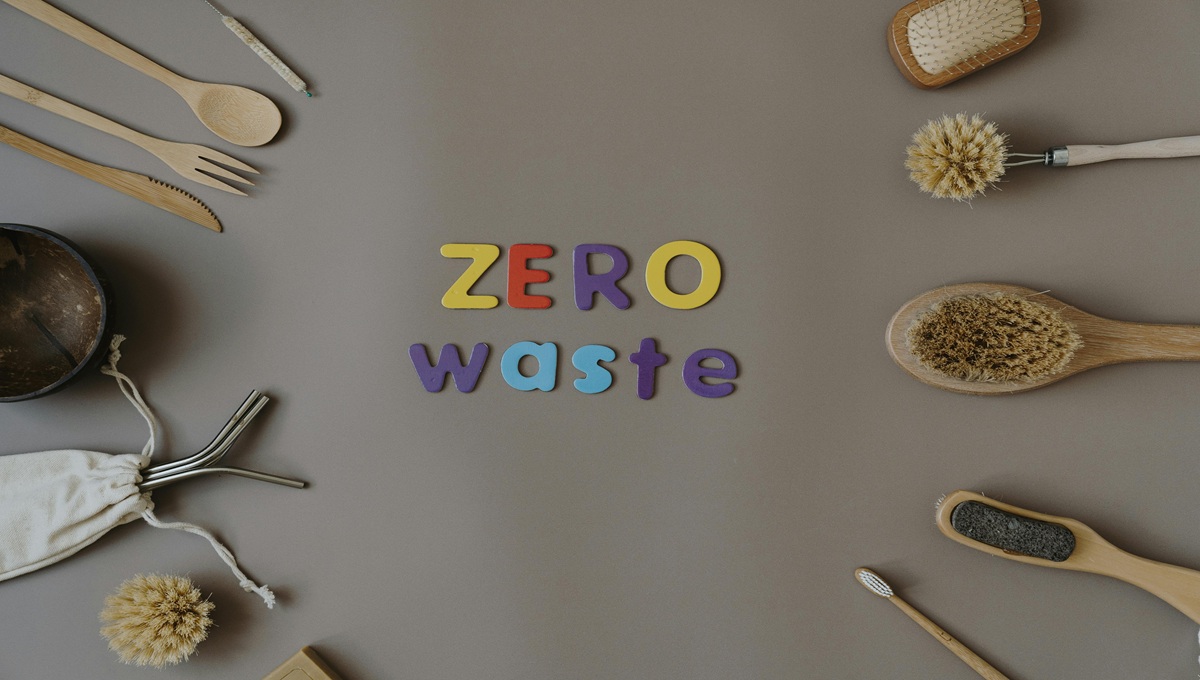
As the frost of winter fades, 2026 brings a new wave of conscious living. Spring cleaning isn’t just about a sparkling kitchen anymore — it’s about a healthier planet. In this ultimate guide, we’ll show you how to deep-clean your kitchen using zero-waste tools — like the walnut scrubber and Swedish dishcloths — that save you money while keeping toxins out of your home. Ready for a fresh, sustainable start?
As an Environmental Scientist, I’ve spent years studying how everyday cleaning products impact both human health and the environment. The average kitchen cleaning routine generates surprising amounts of plastic waste — from disposable sponges to chemical-laden spray bottles. But here’s the good news: switching to zero-waste alternatives is easier, cheaper, and more effective than you might think.
In this comprehensive guide, you’ll discover:
Table of Contents
🚚 Need Fast & Free Shipping on Your Kitchen Supplies?
Get fast, eco-friendly delivery and exclusive deals on top-rated sustainable tools with a 30-Day Amazon Prime Free Trial.
Try Amazon Prime Free for 30 Days →- A step-by-step zero-waste spring cleaning checklist for every part of your kitchen
- The top 5 sustainable cleaning tools (with honest reviews and Amazon links)
- DIY natural cleaning recipes using ingredients you already have
- A year-round maintenance plan to keep your kitchen green all year round.
Why Zero-Waste Spring Cleaning Matters in 2026
The numbers are sobering. According to environmental research, the average household throws away 13 billion disposable cleaning pads and sponges every year in the US alone. Each synthetic sponge takes up to 200 years to decompose in a landfill — releasing microplastics into the soil and water supply along the way.
But 2026 has brought a genuine shift in consumer behavior. Concentrated cleaning pastes, dissolvable tablets, solid dish soaps, and compostable packaging are no longer niche products — they’re going mainstream. The zero-waste kitchen movement is growing because people are realizing two things:
- Eco-friendly products are often more effective than conventional alternatives
- The long-term cost savings are significant — reusable tools pay for themselves within weeks
🌿 Scientist’s Note: As an Environmental Scientist, I recommend zero-waste cleaning not just for environmental reasons, but because conventional cleaning products often contain VOCs (Volatile Organic Compounds) that negatively affect indoor air quality. Your kitchen is where you prepare food — what you clean it with matters.
Step-by-Step Zero-Waste Spring Cleaning Checklist
Use this checklist to systematically deep-clean every area of your kitchen using only zero-waste tools and natural ingredients. Work from top to bottom, left to right — this prevents cross-contamination and saves time.
☐ Step 1: Gather Your Zero-Waste Cleaning Kit
- Swedish dishcloths (replace paper towels for all surface wiping)
- Walnut scrubber sponge (for pots, pans, and stubborn stains)
- Bamboo dish brush (for dishes and general scrubbing)
- White vinegar (all-purpose natural cleaner and deodorizer)
- Baking soda (a gentle abrasive and deodorizer)
- Fresh lemon (natural disinfectant and grease cutter)
- Compostable trash bags (for waste disposal)
- Glass spray bottles (for your DIY cleaning solutions)
☐ Step 2: Clear and Deep-Clean Your Refrigerator
- Remove all items and check expiry dates — compost expired food
- Remove and wash all shelves and drawers with warm, soapy water
- Wipe interior surfaces with a Swedish dishcloth dipped in a vinegar solution
- Clean door seals with an old toothbrush and baking soda paste
- Wipe exterior with a damp Swedish dishcloth
- Replace items — use glass containers instead of plastic where possible
☐ Step 3: Deep-Clean Stovetop and Oven
- Remove stovetop grates and soak in hot water with dish soap
- Apply baking soda paste to stubborn grease stains — let sit 15 minutes
- Scrub with walnut scrubber sponge — safe for most stovetop surfaces
- Clean oven interior with baking soda and vinegar spray — no harsh chemicals
- Wipe down with a damp Swedish dishcloth — rinse thoroughly
- Polish the stovetop with a few drops of lemon juice for shine
🔬 Science Tip: Walnut scrubbers have a Mohs hardness of 3-4, making them safe for ceramic and glass stovetops that rate 5.5-6 on the Mohs scale. No scratching guaranteed!
☐ Step 4: Clean Countertops and Backsplash
- Clear all items from the countertops.
- Spray surfaces with DIY all-purpose cleaner (recipe below)
- Wipe with Swedish dishcloth — use circular motions for best results
- For grout lines, apply baking soda paste and scrub with a bamboo dish brush
- Rinse with a clean, damp cloth and dry immediately.
☐ Step 5: Declutter and Organize Cabinets and Pantry
- Remove everything from cabinets — check for expired products
- Wipe cabinet interiors with a damp Swedish dishcloth
- Replace plastic containers with glass or stainless steel alternatives
- Use compostable bags for any items going to waste
- Organize pantry items in clear glass jars to reduce future waste
☐ Step 6: Clean Sink and Drain
- Scrub sink basin with baking soda and a walnut scrubber sponge
- Pour 1/2 cup of baking soda down the drain, followed by 1/2 cup of vinegar
- Wait 15 minutes, then flush with boiling water — naturally unclogs the drain
- Polish the faucet with a lemon half for a streak-free shine
- Clean under sink cabinet — remove any old plastic cleaning products
☐ Step 7: Windows, Walls, and Floors
- Clean kitchen windows with a vinegar-water solution and a Swedish dishcloth
- Wipe down walls near the stovetop with natural degreaser spray
- Sweep floors with a reusable microfiber mop
- Mop with hot water + a few drops of castile soap solution
- Air dry naturally — no paper towels needed
DIY Zero-Waste Cleaning Recipes
These natural cleaning recipes replace 90% of conventional chemical cleaners. They’re effective, safe, and cost pennies to make.
All-Purpose Kitchen Cleaner
- 1 cup white vinegar
- 1 cup water
- 15 drops tea tree essential oil (natural antibacterial)
- Juice of half a lemon
Mix in a glass spray bottle. Safe for countertops, appliances, and stovetops (avoid marble surfaces).
Natural Degreaser Spray
- 1/2 cup white vinegar
- 1/4 cup castile soap
- 1 cup warm water
- 10 drops lemon essential oil
Powerful enough for stovetop grease, gentle enough for daily use.
Baking Soda Scrub Paste
- 1/2 cup baking soda
- Enough dish soap to form a paste
- 10 drops essential oil of choice
Use with a walnut scrubber sponge for stubborn stains on pots, pans, and oven racks.
Top 5 Zero-Waste Kitchen Cleaning Tools (2026)
These are the tools I personally use and recommend for a complete zero-waste spring cleaning. Each one replaces multiple single-use products and pays for itself quickly.
| # | Tool | Replaces | Best For | Eco Rating | Where to Buy |
| 1 | Swedish Dishcloth | 17 rolls of paper towels | Surface wiping, drying, and cleaning | ⭐⭐⭐⭐⭐ | Amazon |
| 2 | Walnut Scrubber Sponge | Synthetic sponges (200yr decomp) | Pots, pans, stovetops, sinks | ⭐⭐⭐⭐⭐ | Amazon |
| 3 | Bamboo Dish Brush | Plastic dish brushes | Dishes, general scrubbing, grout | ⭐⭐⭐⭐ | Amazon |
| 4 | Natural Degreaser Spray | Chemical spray cleaners | Stovetop grease, range hood | ⭐⭐⭐⭐ | Amazon |
| 5 | Compostable Trash Bags | Standard plastic trash bags | Kitchen waste, composting | ⭐⭐⭐⭐⭐ | Amazon |
1. Swedish Dishcloth — The Zero-Waste Paper Towel Killer
If you can only switch one thing in your kitchen, make it this. A single Swedish dishcloth replaces up to 17 rolls of paper towels. Made from cellulose and cotton, they’re 100% biodegradable and can be washed in the dishwasher or washing machine hundreds of times.
- Lasts 6-12 months with proper care
- Absorbs 20x its weight in liquid
- Compostable at the end of life
- Available in dozens of designs
2. Walnut Scrubber Sponge — Safe for Non-Stick, Effective on Grease
Made from ground walnut shells and natural plant fibers, the walnut scrubber sponge is my top recommendation for households with non-stick cookware. With a Mohs hardness rating of 3-4, it’s tough on grease but safe on delicate surfaces.
- Plastic-free and biodegradable
- Safe for non-stick, ceramic, glass, and stainless steel
- No microplastic shedding, unlike conventional sponges
- Naturally antimicrobial walnut shell material
3. Bamboo Dish Brush — The Versatile Kitchen Workhorse
A bamboo dish brush handles everything from daily dish washing to deep-cleaning grout lines and bottle interiors. The handle is sustainably sourced bamboo, and most models feature replaceable brush heads — reducing waste even further.
- Naturally antibacterial bamboo handle
- Replaceable brush heads available
- Fully compostable at the end of life
- Stiff bristles tackle tough food residue
4. Compostable Trash Bags — Close the Zero-Waste Loop
Even in a zero-waste kitchen, you’ll have some waste — and using conventional plastic bags defeats the purpose. Compostable trash bags are made from plant-based materials and break down in industrial composting facilities within 6 months.
- ASTM D6400 certified compostable
- Available in multiple sizes for kitchen bins
- Strong enough for wet food waste
- No plastic residue in compost
Year-Round Zero-Waste Kitchen Maintenance Plan
Spring cleaning is just the beginning. Maintaining a zero-waste kitchen is about building sustainable daily habits that take no more time than conventional cleaning — just smarter choices.
Daily Habits (5 Minutes)
- Wipe countertops with a Swedish dishcloth after cooking — rinse and hang to dry
- Wash dishes with a bamboo dish brush instead of a disposable sponge
- Sort food scraps into the compost bin — not regular trash
- Use reusable beeswax wraps for food storage instead of cling film
Weekly Habits (20 Minutes)
- Deep-clean sink with baking soda and walnut scrubber sponge
- Wipe the stovetop and appliances with all-purpose vinegar spray
- Wash Swedish dishcloths in the dishwasher or washing machine
- Refresh bamboo dish brush — soak in white vinegar for 10 minutes
- Empty and clean the compost bin with baking soda and vinegar
Monthly Habits (45 Minutes)
- Deep-clean refrigerator shelves and drawers
- Run dishwasher cleaning cycle with white vinegar
- Check and replace cleaning tools as needed
- Refill DIY cleaning spray bottles with fresh solution
- Assess waste — can you eliminate any remaining single-use products?
Seasonal (Quarterly)
- Full kitchen deep-clean using this checklist
- Assess and replace worn zero-waste tools
- Review your cleaning product inventory — refill concentrates
- Check under the sink for any hidden plastic products to phase out
Frequently Asked Questions
Q: Are zero-waste cleaning products as effective as conventional cleaners?
Yes — in many cases, more effective. White vinegar is a proven antimicrobial agent. Baking soda is a gentle yet powerful abrasive. And walnut scrubbers outperform synthetic sponges on grease without scratching surfaces. The key is using the right tool for the right job.
Q: How much money will I save switching to zero-waste cleaning?
Significant amounts. A pack of Swedish dishcloths ($12-15) replaces 17 rolls of paper towels ($25-30). A walnut scrubber sponge set lasts 3-4 times longer than conventional sponges. Most households save $100-200 per year just by making these switches.
Q: Can I use vinegar on all kitchen surfaces?
Avoid using vinegar on marble, granite, stone surfaces, and cast iron. It can etch stone and strip seasoning from cast iron. For these surfaces, use mild castile soap with warm water instead.
Q: How do I dispose of zero-waste cleaning tools properly?
Swedish dishcloths and walnut scrubbers are compostable — add them to your home compost or green waste bin. Bamboo dish brush handles can be composted; natural bristles usually can too. Check individual product packaging for specific disposal guidance.
Q: Is zero-waste spring cleaning safe for households with children?
Absolutely — it’s safer. Conventional cleaning products often contain synthetic fragrances, bleach derivatives, and other chemicals that can irritate children’s respiratory systems. Vinegar, baking soda, and plant-based soaps are all food-safe and non-toxic.
Final Verdict: Is Zero-Waste Spring Cleaning Worth It?
As an Environmental Scientist, my answer is an unequivocal yes. Not just for the planet — but for your household health, your budget, and your peace of mind.
Here’s what you accomplish with one zero-waste spring cleaning:
- Eliminate dozens of single-use plastic products from your home
- Reduce indoor chemical exposure for your family
- Save money with long-lasting, reusable tools
- Build habits that multiply your environmental impact over the years
The five tools at the heart of this guide — Swedish dishcloths, walnut scrubber sponges, bamboo dish brushes, natural degreaser sprays, and compostable trash bags — are all you need to transform your kitchen cleaning routine permanently.
🌿 Ready to start? Scroll back to the checklist above and work through it section by section. Your zero-waste spring clean doesn’t have to happen in one day — even one section per weekend will transform your kitchen in a month.
Related Articles on Sustainable Kitchen Expert
- The Ultimate Guide to Eco-Friendly Kitchen Scrubbers
- Swedish Dishcloth Review: 5 Brands Tested
- Walnut Scrubber Sponge Review
Affiliate Disclaimer: This post contains Amazon affiliate links. If you purchase through these links, I earn a small commission at no extra cost to you. I only recommend products I have personally researched and believe in. Thank you for supporting Sustainable Kitchen Expert!