
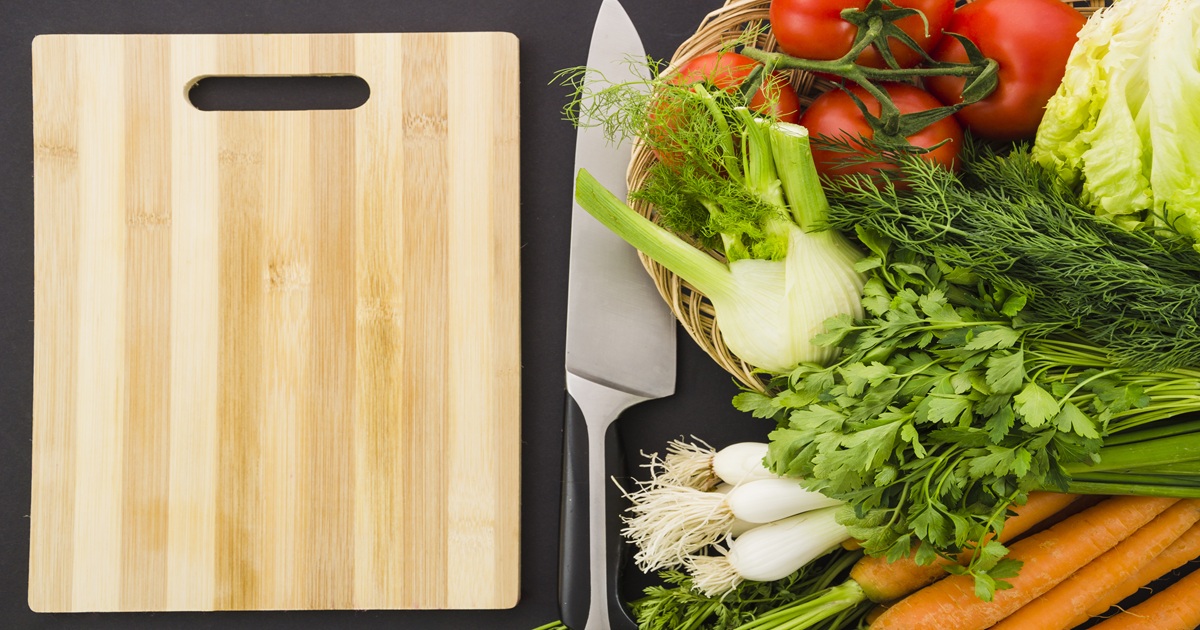
Walk into any eco-conscious kitchen and you’ll find the same debate: silicone cutting board or bamboo? Both are marketed as the safe, sustainable alternative to plastic — but as an Environmental Scientist, I’ve found the reality is far more nuanced than the marketing suggests.
Bamboo can contain formaldehyde-based glue. Silicone can develop knife grooves that harbor bacteria. Neither is a perfect choice — but one is significantly safer for most kitchens. Here is the honest, science-backed verdict.
⚖️ Silicone vs Bamboo Cutting Board — At a Glance
| Factor | 🔵 Silicone | 🌿 Bamboo | Winner |
|---|---|---|---|
| Food Safety | Non-porous, no bacteria absorption | Porous — can harbor bacteria | 🔵 Silicone |
| Microplastics | No microplastics ✅ | No microplastics ✅ | 🤝 Tie |
| Toxic Chemicals | Food-grade silicone is BPA/PFAS-free | Glue may contain formaldehyde ⚠️ | 🔵 Silicone |
| Knife Friendliness | Soft — dulls knives over time | Hard — dulls knives faster | 🔵 Silicone |
| Dishwasher Safe | ✅ Yes | ❌ No — warps and cracks | 🔵 Silicone |
| Eco-Friendliness | Synthetic, not biodegradable ❌ | Renewable, biodegradable ✅ | 🌿 Bamboo |
| Durability | Very durable — won’t crack or warp | Can crack if not oiled regularly | 🔵 Silicone |
| Odor Resistance | Naturally odor-resistant ✅ | Can absorb odors over time | 🔵 Silicone |
| Price | $15–40 | $10–35 | 🌿 Bamboo |
| Best For | Everyday prep, hygiene-first kitchens | Eco-conscious households | Depends on priority |
🚨 The Hidden Dangers Nobody Talks About
The Bamboo Problem: Formaldehyde Glue
Bamboo is not a solid material like wood. A bamboo cutting board is actually made from strips of bamboo grass pressed together with adhesive. And here is the problem — many manufacturers use urea-formaldehyde or melamine-formaldehyde glue to bond those strips together.
🚚 Need Fast & Free Shipping on Your Kitchen Supplies?
Get fast, eco-friendly delivery and exclusive deals on top-rated sustainable tools with a 30-Day Amazon Prime Free Trial.
Try Amazon Prime Free for 30 Days →Formaldehyde is classified as a known human carcinogen by the World Health Organization. While the amount that migrates into food during cutting is typically small, the concern is real — especially with heat, acidic foods, and repeated washing that degrades the adhesive over time.
The Silicone Problem: Knife Grooves
Food-grade silicone itself is chemically stable — it does not leach BPA, phthalates, or PFAS at food-contact temperatures. However, silicone is soft. Over time, knife grooves develop in the surface, and those grooves can trap food bacteria if not cleaned thoroughly after every use.
The other silicone concern is quality. Low-grade or uncertified silicone products may contain fillers such as calcium carbonate or titanium dioxide that degrade with heat or repeated washing. This is why FDA or LFGB certification matters when buying silicone cutting boards.
🔬 Head-to-Head: 6 Key Factors
1. Food Safety & Hygiene
🔵 Silicone
- Non-porous — bacteria cannot penetrate surface
- Resists stains and odors naturally
- Dishwasher safe — kills bacteria with heat
- Develops knife grooves over time — clean thoroughly
🌿 Bamboo
- Porous surface — can absorb bacteria
- Natural antimicrobial properties when new
- Not dishwasher safe — must hand wash
- Must be oiled regularly to prevent cracking
Winner: Silicone — Non-porous surface is fundamentally more hygienic for daily food prep.
2. Chemical Safety
🔵 Silicone
- No BPA, phthalates, or PFAS
- Chemically inert at food-contact temperatures
- FDA/LFGB certified options available
- Low-grade silicone may contain fillers — check certification
🌿 Bamboo
- Bamboo itself is natural and chemical-free
- Adhesive glue may contain formaldehyde ⚠️
- Look for formaldehyde-free certification
- FSC-certified boards are safer
Winner: Silicone — Certified food-grade silicone has no chemical safety concerns. Bamboo glue is a legitimate concern unless specifically certified formaldehyde-free.
3. Knife Friendliness
🔵 Silicone
- Softer than bamboo — gentler on knife edges
- Flexible surface absorbs cutting impact
- Develops grooves quickly with daily use
🌿 Bamboo
- Harder than most woods — dulls knives faster
- Dense surface is tough on high-end knife edges
- Not ideal for premium Japanese knives
Winner: Silicone — Silicone’s soft surface is gentler on knife edges than bamboo’s dense, hard surface.
4. Eco-Friendliness & Sustainability
🔵 Silicone
- Synthetic material — not biodegradable ❌
- Made from petroleum-derived silica
- Very long lifespan reduces replacement waste
- Limited recycling options in most areas
🌿 Bamboo
- Highly renewable — grows 60x faster than hardwood ✅
- Biodegradable at end of life ✅
- Carbon-sequestering during growth
- Adhesive chemicals reduce eco-credentials slightly
Winner: Bamboo — Bamboo is genuinely more sustainable and eco-friendly, provided you choose FSC-certified, formaldehyde-free boards.
5. Durability & Maintenance
🔵 Silicone
- Will not crack, warp, or split ✅
- Dishwasher safe — easy maintenance
- Flexible — can double as funnel/mat
- Knife grooves develop over time
🌿 Bamboo
- Can crack if not oiled monthly
- Must hand wash only
- Can warp if left wet
- Lasts years with proper care
Winner: Silicone — Requires significantly less maintenance and won’t crack or warp.
6. Price & Value
| Board Type | Price Range | Lifespan | Cost Per Year |
|---|---|---|---|
| Silicone (certified) | $15–40 | 5–10 years | ~$3–8/year |
| Bamboo (FSC-certified) | $10–35 | 3–5 years (with oiling) | ~$3–10/year |
| Bamboo (generic) | $8–20 | 1–3 years | ~$5–15/year |
Winner: Tie — Both offer similar long-term value. Silicone has lower maintenance costs; quality bamboo has lower upfront price.
🎯 Silicone or Bamboo — Which Is Right for You?
| Choose Silicone If… | Choose Bamboo If… |
|---|---|
| You have young children or a health-first kitchen | Eco-impact is your top priority |
| You want dishwasher-safe convenience | You prefer natural materials in your home |
| You have premium knives you want to protect | You don’t mind hand washing and oiling |
| You prep raw meat frequently | You mostly prep fruits and vegetables |
| You want zero maintenance | You want a biodegradable end-of-life option |
✅ Best Silicone Cutting Boards (2026)
1. OXO Good Grips Silicone Cutting Board — Best Overall
| Certification | FDA food-grade silicone ✅ |
| Size Options | Small, Medium, Large |
| Dishwasher Safe | ✅ Yes |
| Non-Slip | ✅ Yes — stays in place during cutting |
| Price | ~$20–35 |
OXO’s silicone cutting board is FDA-certified, dishwasher safe, and features a non-slip base that stays firmly in place during cutting. The surface is firm enough for efficient chopping while remaining soft enough to protect knife edges.
2. Gorilla Grip Silicone Cutting Board — Best Budget
| Certification | BPA-free, food-grade silicone ✅ |
| Size Options | Multiple sizes available |
| Dishwasher Safe | ✅ Yes |
| Price | ~$15–25 |
Gorilla Grip offers solid food-grade silicone at a lower price point. The extra-grip base prevents sliding and the surface is firm enough for daily prep tasks. A good value entry point for those switching from plastic.
🛒 Check Price on Amazon✅ Best Bamboo Cutting Boards (2026)
1. Greener Chef FSC-Certified Bamboo Board — Safest Bamboo
| Certification | FSC-certified, formaldehyde-free adhesive ✅ |
| Size Options | Small, Large, Extra-Large |
| Warranty | Lifetime replacement guarantee |
| Price | ~$25–45 |
The Greener Chef board is one of the very few bamboo cutting boards that publishes its adhesive specifications — using formaldehyde-free, food-safe glue. FSC certification confirms the bamboo is sustainably sourced. This is the board to choose if you want bamboo without the chemical concerns.
2. Bambusi Organic Bamboo Cutting Board — Best Value Bamboo
| Certification | Organic bamboo, BPA-free ✅ |
| Features | Juice groove, handle, non-slip feet |
| Price | ~$18–30 |
Bambusi offers a practical, well-designed bamboo board with juice grooves and a handle at an accessible price. While adhesive specifications are not published, it is BPA-free and certified organic bamboo — making it a better choice than generic boards.
🛒 Check Price on Amazon🧼 How to Care for Each Type
Silicone Cutting Board Care
- Dishwasher safe — top or bottom rack ✅
- Or hand wash with hot soapy water after each use
- Check knife grooves regularly — replace when grooves become deep
- Do not use with bleach-based cleaners — degrades silicone over time
- Place damp towel underneath if sliding on countertop
Bamboo Cutting Board Care
- Hand wash only — never put in dishwasher ❌
- Wash with warm soapy water immediately after use
- Oil monthly with food-grade mineral oil or beeswax to prevent cracking
- Stand upright to dry — never leave flat in water
- Sand lightly with fine-grain sandpaper if surface becomes rough
- Replace if deep cracks appear — bacteria harbor in cracks
Frequently Asked Questions
Q: Is silicone or bamboo safer for cutting raw meat?
Silicone is safer for raw meat preparation. Its non-porous surface does not absorb meat juices or bacteria, and it can be fully sanitized in the dishwasher. Bamboo’s porous surface can absorb meat juices, and it cannot go in the dishwasher — making thorough sanitization more difficult.
Q: Does bamboo cutting board have formaldehyde?
Many bamboo cutting boards use urea-formaldehyde or melamine-formaldehyde adhesive to bond the bamboo strips together. The amount that migrates into food is typically small, but the risk increases over time as the adhesive degrades. Always choose FSC-certified bamboo boards that explicitly state “formaldehyde-free adhesive.”
Q: Are silicone cutting boards non-toxic?
Yes — certified food-grade silicone (FDA or LFGB certified) is chemically stable and does not leach BPA, phthalates, or PFAS at food-contact temperatures. It also does not shed microplastics. Always check for certification before purchasing — low-grade silicone products may contain fillers that are less stable.
Q: Which cutting board is best for knives?
Silicone is gentler on knife edges than bamboo. Bamboo’s dense, hard surface dulls knife blades faster — particularly high-end Japanese knives. For the best knife preservation, use wooden or silicone cutting boards and avoid bamboo and glass surfaces.
Q: Can bamboo cutting boards go in the dishwasher?
No — bamboo cutting boards should never go in the dishwasher. The heat and moisture cause bamboo to warp, crack, and split, and accelerate degradation of the adhesive glue. Always hand wash bamboo boards with warm soapy water and dry immediately.
Q: Which is more eco-friendly — silicone or bamboo?
Bamboo is more eco-friendly overall. Bamboo is a renewable resource that grows extremely fast, is biodegradable, and sequesters carbon during growth. Silicone is synthetic and non-biodegradable. However, silicone’s very long lifespan and low replacement rate reduce its overall environmental impact compared to frequently replaced boards.
Q: What is the safest cutting board material overall?
For food safety and hygiene, FSC-certified bamboo with formaldehyde-free adhesive and certified food-grade silicone are both good choices. Avoid conventional plastic cutting boards — research shows they can shed significant quantities of microplastics into food during normal use. Glass and granite boards are chemically safe but very hard on knife edges.
🏆 Final Verdict: Silicone vs Bamboo Cutting Board
🔵 Overall Winner: Silicone
For most kitchens — especially those with children, raw meat prep, or anyone who wants zero maintenance — certified food-grade silicone is the safer, more hygienic, and more practical choice.
Related Articles
- Best Natural Kitchen Sponges (2026) — Plastic-Free Picks
- Best Eco-Friendly Kitchen Scrubbers — Ultimate Guide
- Best Beeswax Wraps Review (2026)
- Bamboo Dish Brush Review (2026)
- How to Clean Your Kitchen Without Chemicals
Affiliate Disclaimer: This post contains Amazon affiliate links. If you purchase through these links, I earn a small commission at no extra cost to you. I only recommend products I have personally researched and believe in.